
Tidal and Wave Energy: An Underexplored Potential
The ocean holds more than just trade routes and fishing grounds. Beneath its rhythmic waves and powerful tides lies an energy source that could reshape Latin America’s renewable landscape. While solar and wind dominate conversations about clean energy, tidal and wave energy remain surprisingly underutilized despite their remarkable consistency and power.

Your Trusted Partner in LATAM Expansion
From market research to legal compliance, we guide your business every step of the way.
What Makes Tidal and Wave Energy Different
Unlike solar panels that depend on sunlight or wind turbines that need steady breezes, ocean energy operates on predictable cycles. Tides follow the moon’s gravitational pull with mathematical precision, while wave energy captures the kinetic force of surface water movements through specialized turbines and generators.
The key advantage? Predictability. Ocean currents don’t stop at night or calm down unexpectedly, making this reliability compelling for grid operators and industrial facilities exploring renewable infrastructure in Latin America.
Latin America's Coastal Advantage
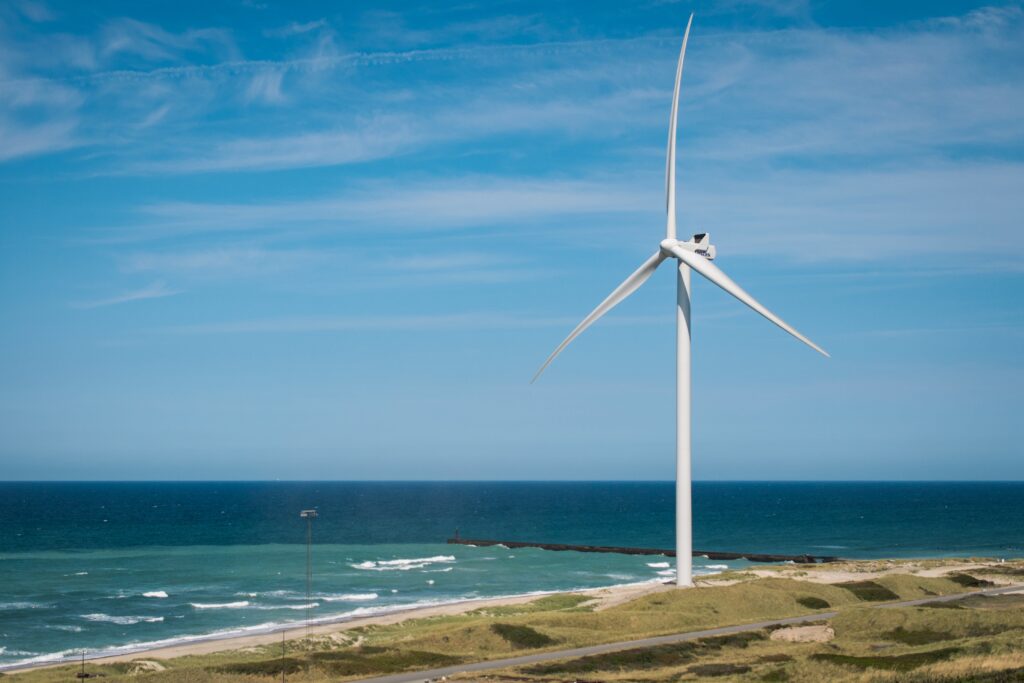
The region stretches across thousands of kilometers of coastline. Chile’s southern waters experience some of the world’s strongest tidal movements, while Brazil’s northeastern coast sees consistent wave patterns year-round. Argentina’s Patagonian shores and Mexico’s Pacific coast offer additional strategic locations combining powerful ocean dynamics with proximity to energy-hungry industrial zones.
The geography favors development, yet investment remains concentrated in other renewable sectors. This infrastructure gap creates entry opportunities for technology providers and project developers who understand the market potential.
Current Technology and Innovation Landscape
Several technologies compete in the tidal and wave energy space. Oscillating water columns use trapped air pressure to drive turbines, while point absorbers float on the surface, converting wave motion into hydraulic pressure. Tidal stream generators work like underwater wind turbines, and tidal barrages use dam-like structures across estuaries.
Innovation continues to accelerate with newer designs that reduce maintenance requirements and improve energy conversion efficiency. Companies developing these technologies need partners who understand Latin American market dynamics and regulatory frameworks.
Barriers to Commercial Deployment
Despite technical advances, tidal and wave energy face significant hurdles. High upfront capital costs deter investors, while marine environments prove harsh, saltwater corrodes equipment, storms damage structures, and maintenance requires specialized vessels and diving teams.
Regulatory frameworks across Latin America often lack specific guidelines for ocean energy, making permitting processes unclear. Local supply chains for specialized marine equipment remain underdeveloped, meaning most components must be imported at additional cost and complexity.
Where Market Opportunities Exist
Forward-thinking businesses see beyond current barriers. Pilot projects in Chile and Brazil are demonstrating viability, attracting attention from utilities and industrial consumers seeking energy diversification. Coastal mining operations present ideal early adopters who need reliable power in remote locations where tidal and wave energy could prove more economical than diesel generators.
Desalination plants represent another promising application where energy-intensive water conversion aligns perfectly with coastal renewable generation. Aquaculture facilities, port operations, and island communities also show strong potential as the sector matures and policy frameworks evolve.
Partner with Experts Who Know the Market
Entering Latin America’s emerging ocean energy sector requires more than technical expertise, you need partners who understand local business practices, regulatory environments, and stakeholder relationships. Success depends on connecting with the right decision-makers: mining executives evaluating power options, government officials shaping energy policy, and engineering firms designing coastal infrastructure.
Looking for more guidance? You might find these resources helpful in planning your next steps: